Deviated Septum Repair (Septoplasty)
/SEHP-TOH-PLAS-TEE/
Straightens the wall inside your nose to restore airflow
Book a consultationIs this right for you?
You might be a candidate if a crooked septum restricts your airflow, causes congestion, or contributes to snoring and sleep issues.
Good to know
- Performed by ENT surgeons
- Consultation confirms candidacy
- $100 consultation, credited toward treatment
- Treatments typically $2,000-$5,000; many workplace plans help
- Edmonton & Calgary
What this procedure does
Septoplasty straightens the wall inside your nose (the septum) when it is crooked or off-center. The goal is easier breathing through both nostrils and less congestion, snoring, and sinus trouble linked to blocked airflow.
The surgery works entirely inside the nose. It does not change how your nose looks from the outside.
What happens on the day
Exact steps are personalized at your consultation based on your anatomy and goals.
- 1
You receive general or local anesthesia with sedation, based on your plan with the surgeon.
- 2
Small incisions inside the nostrils give access to the septum.
- 3
Cartilage or bone is repositioned or trimmed to open the nasal passage.
- 4
Splints or packing may support healing for a short time.
- 5
You go home the same day with instructions for rest and nasal care.
Getting back to normal
Nasal congestion and limited strenuous activity for 1 to 2 weeks is common. Internal splints, if used, are removed within a few days.
Good to know
- Performed by ENT surgeons
- Consultation confirms candidacy
- $100 consultation, credited toward treatment
- Treatments typically $2,000-$5,000; many workplace plans help
- Edmonton & Calgary
Pricing & coverage
Most treatments fall between $2,000 and $5,000. Many workplace plans cover part of the cost. Your $100 consultation is credited if you proceed. Exact pricing is reviewed before you commit.
Not sure if this is right for you? That's what the consultation is for. Leave with a clear plan and exact pricing.
Book a consultationMeet Our Specialists
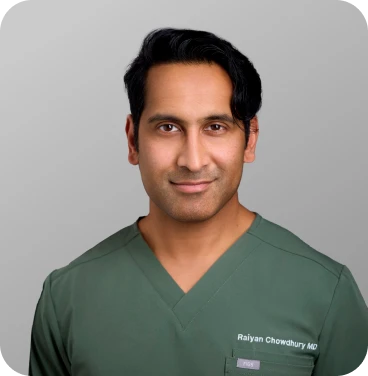
Dr. Raiyan Chowdhury
Otolaryngology - Head and Neck Surgery & Critical Care Medicine
Dr. Raiyan Chowdhury is a dual-trained specialist in Otolaryngology - Head and Neck Surgery and Critical Care Medicine. He completed his medical degree and residency training at the University of Alberta, where he developed a focused interest in disorders of the upper airway, nasal breathing, and sleep-related breathing conditions. Dr. Chowdhury’s practice encompasses the full spectrum of ear, nose, and throat care, with a particular emphasis on patient-centred assessment and minimally invasive management of airway and sleep-related disorders. His approach combines surgical expertise with evidence- based, collaborative care tailored to each patient’s needs.
 University of Alberta
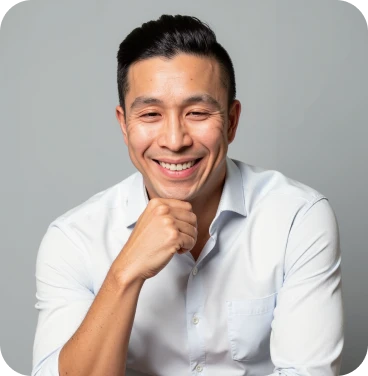
Dr. Jason Chau
Otolaryngology Head and Neck Surgeon, Sleep Surgery Specialist
Dr. Jason Chau is an internationally trained Otolaryngologist - Head and Neck Surgeon with specialized expertise in Sleep Surgery and complex airway reconstruction. He completed his medical degree at the University of Saskatchewan, followed by residency training in Otolaryngology-Head & Neck Surgery at the University of Alberta, where he also earned a Master’s degree in Public Health and completed fellowship training in Head & Neck Oncology and Microvascular Reconstruction. He later completed advanced subspecialty training in Sleep Surgery at Stanford University, one of the world’s leading centers for surgical management of sleep-disordered breathing. Before joining our clinic, Dr. Chau was recruited to the University of Manitoba, where he established Canada’s first multidisciplinary Sleep Medicine and Sleep Surgery Clinic. He was later recruited to the University of Calgary to develop and lead its Sleep Surgery Program. He is also the founder of the Canadian Sleep Surgery Clinic, the country’s only centre dedicated to providing advanced upper-airway reconstructive surgery for patients with all degrees of sleep-disordered breathing, including those who have not found success with conventional therapies. Dr. Chau is recognized for his commitment to evidence-based, patient-centered care. He has received numerous research awards and grants, and continues to publish and lead scientific work focused on innovative approaches to airway reconstruction, functional outcomes, and collaborative care models. Patients value his thorough assessments, clear explanations, and ability to offer a full spectrum of advanced surgical options tailored to their specific needs. Whether patients are seeking alternatives to CPAP, exploring cutting-edge airway procedures, or looking for expert guidance on complex sleep-disordered breathing, Dr. Chau provides a compassionate and knowledgeable approach aimed at improving long-term health, safety, and quality of life.
 University of Saskatchewan
 University of Alberta
 Stanford University
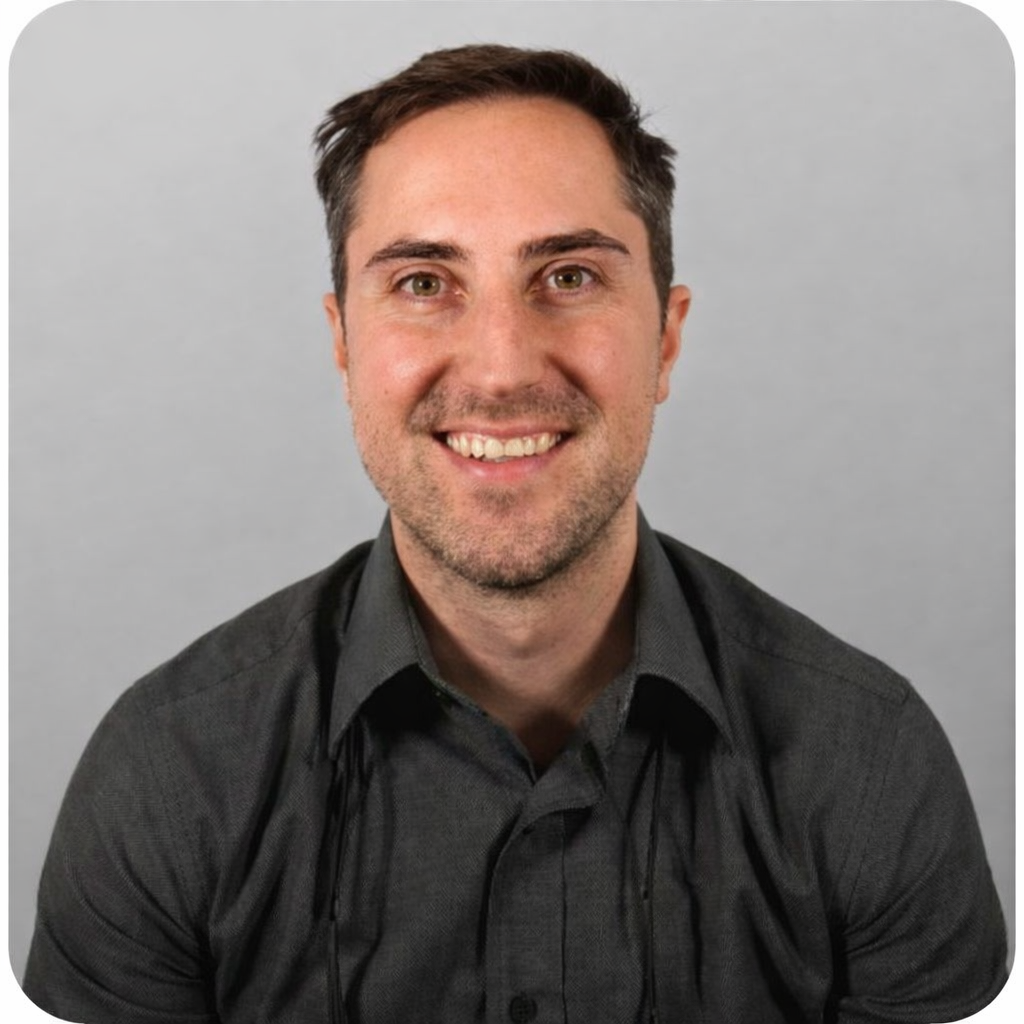
Dr. Devon Livingstone
Otolaryngologist Head and Neck Surgeon
Dr. Devon Livingstone is a general otolaryngologist based out of Calgary with extensive experience performing septoplasty and UPPP surgery. He has additional training and expertise in functional and aesthetic rhinoplasty surgery, including preservation and structural approaches. He operates out of the South Health Campus as well as the Holy Cross Chartered Surgical Facility.
 University of Calgary
 University of California San Francisco
Stop snoring, start sleeping.
Treatments
Get in touch
(780) 784-1350Hours: Monday to Friday 9 am-7 pm MT
#200, 11104 102 Ave NW
Edmonton, AB
T5K 2H4
© 2026 Luneya