Tip Revision
What is Tip Revision
Tip revision surgery is a procedure focused on modifying or refining the appearance of the nasal tip. This type of surgery is often sought by individuals who are unhappy with the aesthetic outcome of a previous rhinoplasty or who have specific concerns related to the nasal tip.
It’s important to note that revision surgery, including tip revision, can be more complex than primary rhinoplasty due to alterations made during the initial procedure. The surgeon needs to navigate existing structures and potential scar tissue.
Each case is unique, and the approach to tip revision will be tailored to the individual’s specific concerns and anatomy.
Procedure
Here are some key aspects of tip revision surgery:
Revision of Nasal Tip Appearance: Tip revision surgery is primarily concerned with addressing issues related to the nasal tip. This may involve reshaping, repositioning, or refining the cartilage and tissue in the nasal tip area to achieve the desired aesthetic result. Common Concerns Addressed: Asymmetry: Correcting any asymmetry in the nasal tip. Over-rotation or Under-rotation: Adjusting the degree of rotation of the nasal tip. Projection: Modifying the projection of the nasal tip (how far it extends from the face). Definition: Enhancing or softening the definition of the nasal tip. Scarring: Addressing any scarring or irregularities from a previous rhinoplasty. Techniques Used: The surgeon may use various techniques during tip revision surgery, depending on the specific concerns and goals of the patient. These techniques may involve reshaping or grafting cartilage, adjusting the nasal framework, or addressing soft tissue issues. Considerations for Revision Surgery: Timing: Patients typically need to wait until the initial swelling and healing from the previous rhinoplasty have subsided before considering revision surgery. Patient Expectations: Clear communication between the patient and the surgeon is crucial to understand expectations and realistic outcomes.
Treatment
As with any medical procedure, we will undergo a thorough evaluation of your symptoms and all possible underlying causes to determine the best treatment for you. The choice of treatment will depend on your specific circumstances, and alternative options may also be considered based on the diagnosis and severity of symptoms.
Meet Our Specialists
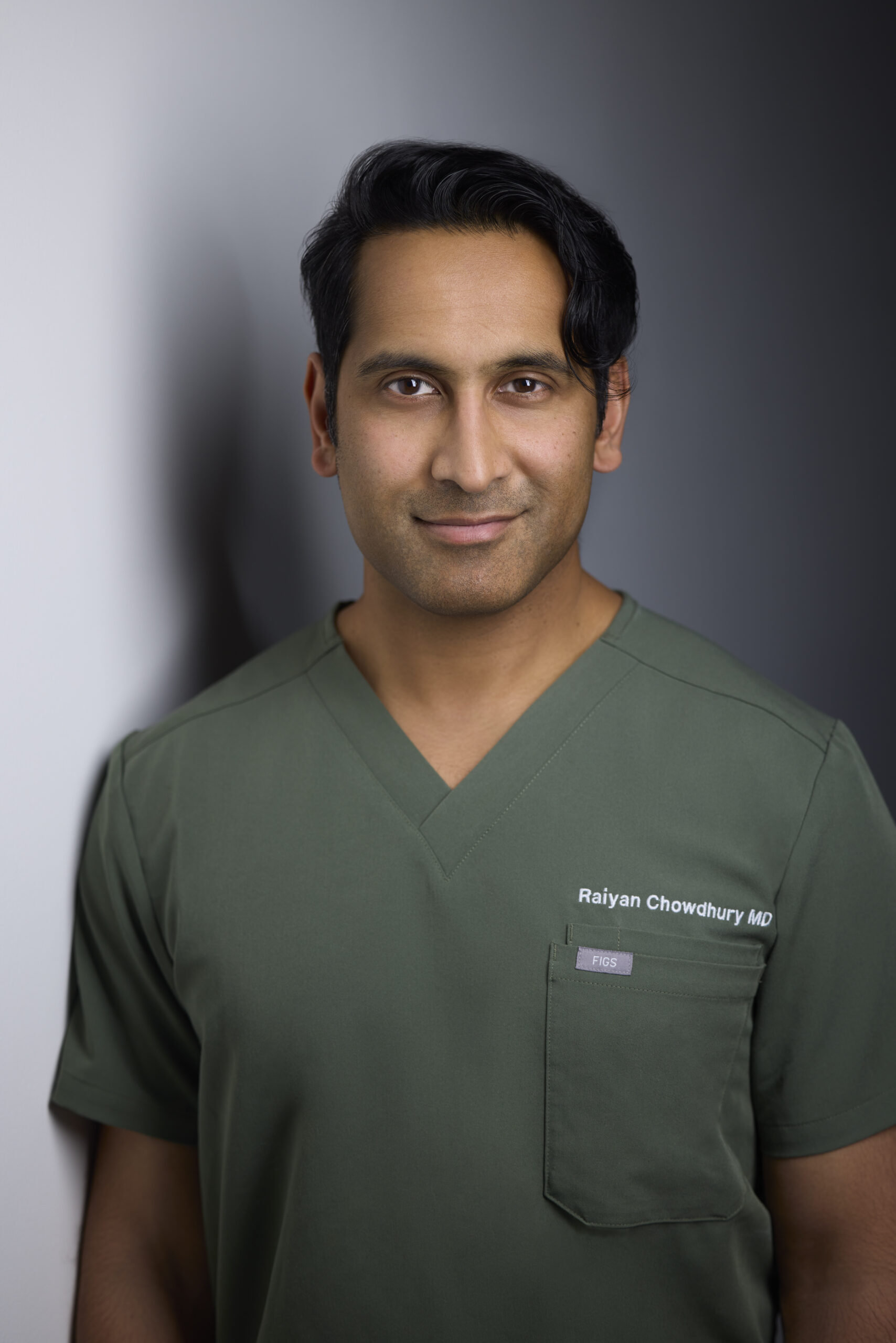
Dr. Raiyan Chowdhury
Otolaryngology – Head and Neck Surgery & Critical Care Medicine
Dr. Raiyan Chowdhury is a dual-trained specialist in Otolaryngology – Head and Neck Surgery and Critical Care Medicine.
He completed his medical degree and residency training at the University of Alberta, where he developed a focused interest in disorders of the upper airway, nasal breathing, and sleep-related breathing conditions.
Dr. Chowdhury’s practice encompasses the full spectrum of ear, nose, and throat care, with a particular emphasis on patient-centred assessment and minimally invasive management of airway and sleep-related disorders. His approach combines surgical expertise with evidence- based, collaborative care tailored to each patient’s needs.
Learn More About Snoring
Snoring happens when airflow is partially blocked during sleep, causing the tissues in your throat to vibrate. Relaxed throat muscles, nasal congestion, or your natural anatomy can all contribute. While snoring is often harmless, it can sometimes signal obstructive sleep apnea, a condition where breathing repeatedly stops and starts through the night.
If snoring is loud, disruptive, or paired with poor sleep, it’s worth looking deeper. Sleep Aid provides individualized assessment and advanced surgical options for snoring and obstructive sleep apnea. As a specialized head and neck surgery center, we offer expert care tailored to your needs so you can breathe, sleep, and feel better.
Common causes of snoring & OSA
Certain physical characteristics, such as having a narrow airway, a large soft palate, a relaxed throat, or enlarged tonsils or adenoids, can contribute to snoring and OSA. Other factors such as obesity, age, genetics, and alcohol use can contribute to snoring.
Tools for self-diagnosis
One of the hallmark symptoms of OSA is the repeated cessation or pauses in breathing during sleep, followed by gasping or choking sensations as breathing resumes. Additional symptoms include daytime fatigue or irritability or morning headaches.
Why seek treatment?
If left untreated, obstructive sleep apnea (OSA) can lead to various health complications and negatively impact your overall well-being. Some potential consequences of untreated OSA include cardiovascular issues and increased risk of stroke. Come see us today!
Am I a good surgical candidate?
We will consider several factors to determine your candidacy for surgery by using a polysomnography (sleep study) and considering anotomical factors, overall health markers, and your personal preferences.
Trusted by insomniacs

Treatments
Get in touch
(780) 784-1350Hours: Monday to Friday 9 am-7 pm EST
#200, 11104 102 Ave NW
Edmonton, AB
T5K 2H4
© 2026 Luneya